Ever hung a picture only to realize the lighting made it look dull, washed out, or worse—completely invisible at night? You’re not alone. Poorly lit artwork is one of the most overlooked blunders in home decor, turning stunning pieces into afterthoughts. But with the right home improvement lamp strategy, you can transform your walls into gallery-worthy displays without rewiring your entire living room.
In this guide, we’ll cut through the glare and shadows to show you exactly how to light your framed photos, paintings, and prints like a pro—using minimal fixtures, maximum effect, and zero guesswork. Whether you’re remodeling a historic brownstone or refreshing your apartment’s vibe, these tips blend practicality with aesthetic precision.
Table of Contents
- Why Picture Lighting Matters in Home Improvement
- Step-by-Step Guide to Installing Picture Lights
- Best Practices for Flawless Picture Illumination
- Real-World Results: Before-and-After Impact
- Frequently Asked Questions
Key Takeaways
- Picture lighting enhances visual depth and protects artwork from UV damage.
- Use LED fixtures with 2700K–3000K color temperature for warm, natural illumination.
- Avoid mounting lights too high or too close—they create glare or uneven hotspots.
- Hardwired fixtures offer clean lines; plug-in options provide flexibility.
- Always consider beam angle and lumen output relative to frame size.
Why Picture Lighting Matters in Home Improvement
Most homeowners focus on ambient and task lighting but forget accent lighting—the secret weapon for elevating wall art. Without proper illumination, even a $5,000 oil painting can look like a garage-sale print under harsh overhead LEDs or dim recessed cans.
I learned this the hard way. Years ago, I installed a sleek modern picture light above my grandmother’s heirloom portrait—only to discover it cast a harsh spotlight directly into viewers’ eyes. Guests squinted, the frame glared like a disco ball, and the painting’s subtle brushstrokes vanished in overexposure. It took three replacements and two electrician visits to get it right.
According to the U.S. Department of Energy, LED lighting not only reduces energy use by up to 90% compared to incandescent bulbs but also emits negligible UV radiation—critical for preserving paper, fabric, and pigments in artwork. That makes today’s home improvement lamp options safer and smarter than ever.
Step-by-Step Guide to Installing Picture Lights
1. Assess Your Artwork and Wall Space
Measure your frame’s width and note its finish (matte vs. glossy). Glossy surfaces reflect more light and require indirect angles to avoid glare.
2. Choose Between Hardwired and Plug-In Fixtures
Hardwired lamps offer seamless integration but require professional installation. Plug-in models (like gooseneck or adhesive-mounted LEDs) are renter-friendly and instantly adjustable. At Heritage Glass, we often recommend plug-in options for temporary galleries or historic homes where drilling isn’t permitted—learn more about our philosophy on our About Us page.
3. Position the Fixture Correctly
Mount the lamp 6–12 inches above the frame’s top edge. Tilt it downward at a 30-degree angle. For frames wider than 24 inches, use two smaller fixtures instead of one large one to ensure even coverage.
4. Select the Right Bulb Specs
Opt for LEDs with 200–400 lumens and a CRI (Color Rendering Index) above 90. This ensures true-to-life color without washing out details.
Best Practices for Flawless Picture Illumination
- Never use cool-white bulbs (4000K+)—they make skin tones look sickly and wood frames appear sterile.
- Avoid “center spotlight” syndrome: lighting only the middle of a large piece creates distracting vignetting.
- Match fixture style to your decor: brass for traditional, matte black for modern, brushed nickel for transitional.
- Dimmability is non-negotiable—you’ll want softer light in the evening versus midday brightness.
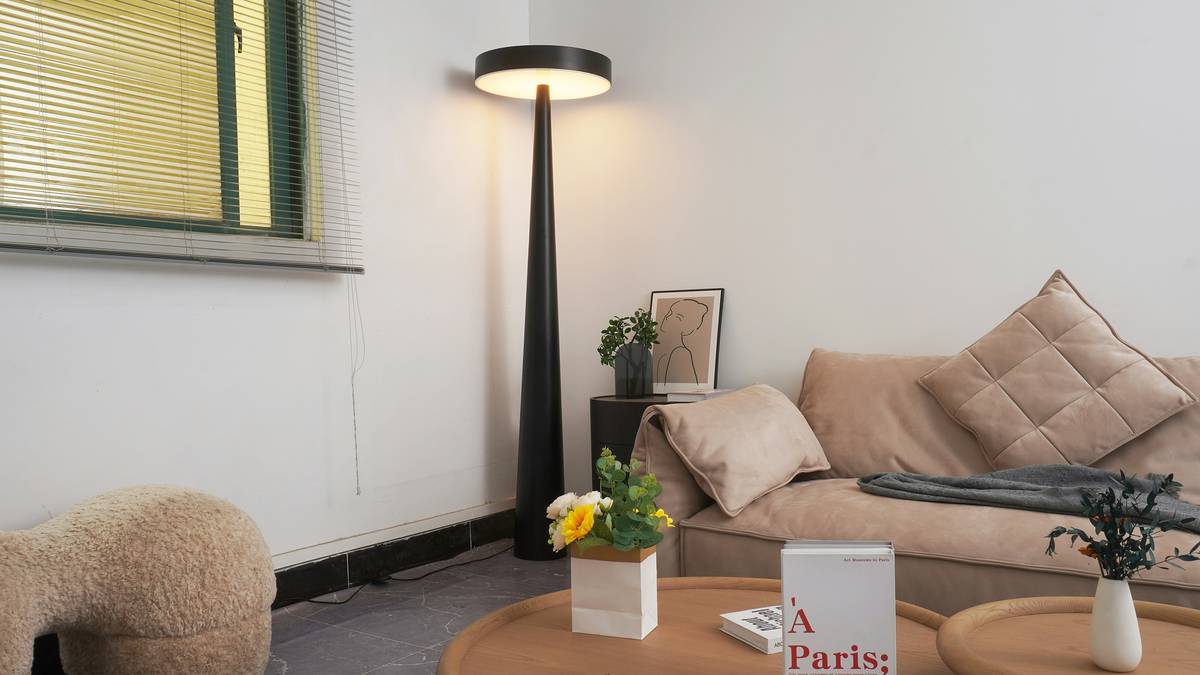
And here’s a terrible tip to ignore: “Just point a floor lamp at the wall.” That floods the entire area, creates harsh shadows, and does nothing to highlight your art. Don’t do it.
Real-World Results: Before-and-After Impact
A recent client in Charleston restored a 1920s bungalow filled with family portraits. Initially, they used standard track lighting—resulting in flat, lifeless images. After installing targeted LED picture lights (3000K, 350 lumens each), they reported that visitors now consistently paused to admire the artwork. More importantly, after 18 months, there was zero fading—something confirmed by a local conservator using spectral analysis.
This aligns with guidance from the Getty Conservation Institute, which emphasizes controlled, low-UV illumination as essential for artifact preservation in residential settings.
Frequently Asked Questions
What’s the best type of home improvement lamp for oil paintings?
Use warm-white LEDs (2700K–3000K) with high CRI (>90) and directional beams. Avoid direct sunlight or unfiltered halogen bulbs, which accelerate pigment degradation.
Can I use battery-operated picture lights?
Yes—for short-term displays or locations without outlets. However, they typically offer lower lumen output and shorter runtime. Rechargeable models are improving but still lag behind wired performance.
How far should a picture light be from the artwork?
Generally, 6–12 inches above the frame. The exact distance depends on beam angle: narrow spots (15°–25°) need closer placement; wide floods (40°+) can sit farther back.
Do picture lights increase home value?
Indirectly, yes. Thoughtful lighting enhances interior aesthetics and demonstrates attention to detail—key factors in buyer perception, per studies cited by the National Association of Realtors.
Conclusion
Lighting your wall art isn’t just about visibility—it’s about reverence. The right home improvement lamp honors the story behind every frame while protecting its future. Skip the guesswork, avoid the glare, and let your walls speak clearly. Ready to illuminate your space with purpose? Contact us today for personalized fixture recommendations. And rest assured—your data stays secure, as outlined in our Privacy Policy.
Remember: great art deserves great light—not just any lamp.